 I happened across a discussion at vinography.com, "A Short Conversation Between Wine Writers About Wine as Art. Or Not." Not all that is created amazes me, but to the extent that the process is creative wine-makers are artists by definition.
Are the folks who create the images hung over hotel beds artists? You may not appreciate their craft, choices, or seek their work, but they create and synthesize which is my definition of art. Let me be clear: the definition of art has nothing to do with critics, but if there are critics judging the style and substance of a thing or the category it's in then the odds are good that somewhere in the mix there's at least some art.
Ah, but what about that mass-produced wine - the cases of yellowtail and similar products cranked out in nearly mind-boggling quantities?
...in the glass of the beholder?
One way to look at this is in comparison to what I'll call bulk art (usually in frames, but there's a certain amount of sculpture, etc., that I'd classify this way, too,) such as you find in hotels, or for sale at department stores and online retailers. Among all that, we must still acknowledge certain pieces widely considered more impressive, or more artistic, reproduced extensively, and sold to appreciative consumers. A postcard-sized rendition of a Monet painting may not do the original justice, but it's art even when and if it appeals to the masses. Some wine companies are indisputably in the business of replicating a mass-consumed commodity via a less-creative process precisely because their product appeals to many. Is it still art? Is the entrepreneur who guided the growth of a popular wine brand an artist? Is the winemaker striving to maintain a consistent, familiar taste despite the vagaries and variations across vintages less an artist than, say, the potter trying to make a set of cups that match?
The fruit of the winemakers' labor at Kistler, Graziano, Sea Smoke, Banfi, etc., is fine art, more worthy of exploring and savoring in my opinion (and perhaps yours) than bulk wines that may be decent representations of the varietal, yet lack the grace, the subtlety of craft typically imparted to smaller batches by attentive winemakers more focused on the excellence of the finished product than the absolute quantity that will be sent to the markets.
In the end how much wine is - or is not - art cannot be reduced to a "black versus white" sort of yes/no question; the truth spreads along a continuum. The value of art is in the appreciative eye of the beholder. What is created is usually considered "more artful" if it's done in smaller quantites, which by their nature are subject to greater variation. Anything is more likely to be perceived and recognized as art in inverse proportion to the amount it is re-produced; reproduction - in the form of technicians or production lines - distances the original artist from the final product."Art is indeed not the bread but the wine of life."~Jean Paul Richter
Still, like it or not, the products of creative processes are art.


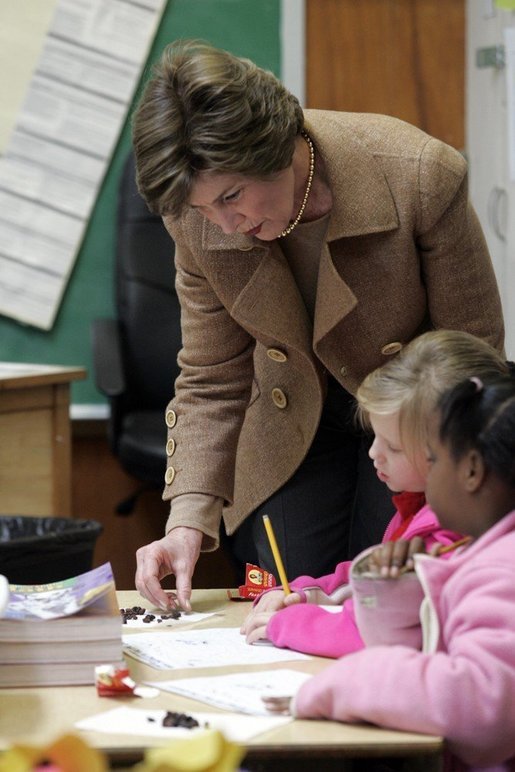
 If, somehow, Wisconsin's new Governor pulls off this rollback of not just salaries and pensions but even the right of teachers and firefighters to rely on unions to negotiate for them, where will he find the next generation of public servants?
  When Love Happens
 Loving Day